Authentic Pashmina originates in the high-altitude Himalayan and Trans-Himalayan regions, where altitude, temperature, and terrain collectively shape the nature of the fibre. These regions experience long, severe winters with extreme cold and low humidity. It is this environment, rather than human intervention, that enables the development of the exceptionally fine undercoat from which Pashmina is derived.
The conditions required for this fibre to form are geographically specific and cannot be reproduced artificially. As a result, genuine Pashmina remains inseparable from its place of origin.
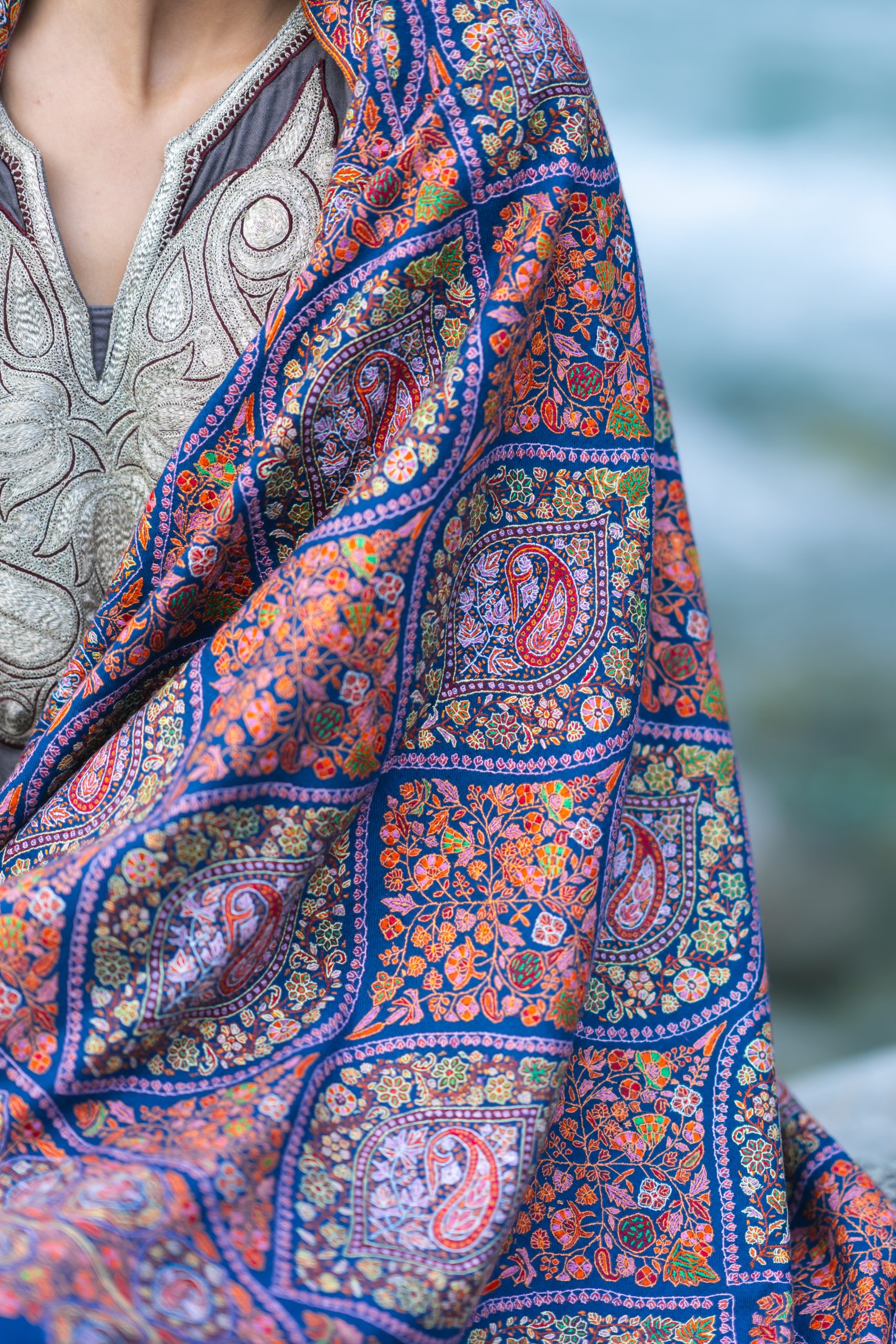
For centuries, Pashmina has held cultural and material significance far beyond its function as a textile. Originating from the Himalayan regions of Ladakh and Kashmir, it entered wider history through trade routes that connected Central Asia, Persia, and the Indian subcontinent. By the 16th century, Pashmina had become closely associated with the Mughal court, where emperors valued it for its warmth, fineness, and refinement-qualities unmatched by other textiles of the time.
Beyond the subcontinent, Pashmina gained prominence in Europe during the late 18th and early 19th centuries. Empress Joséphine Bonaparte, wife of Napoleon Bonaparte, famously possessed an extensive collection of Kashmiri Pashmina shawls, helping establish their status among European royalty and aristocracy.
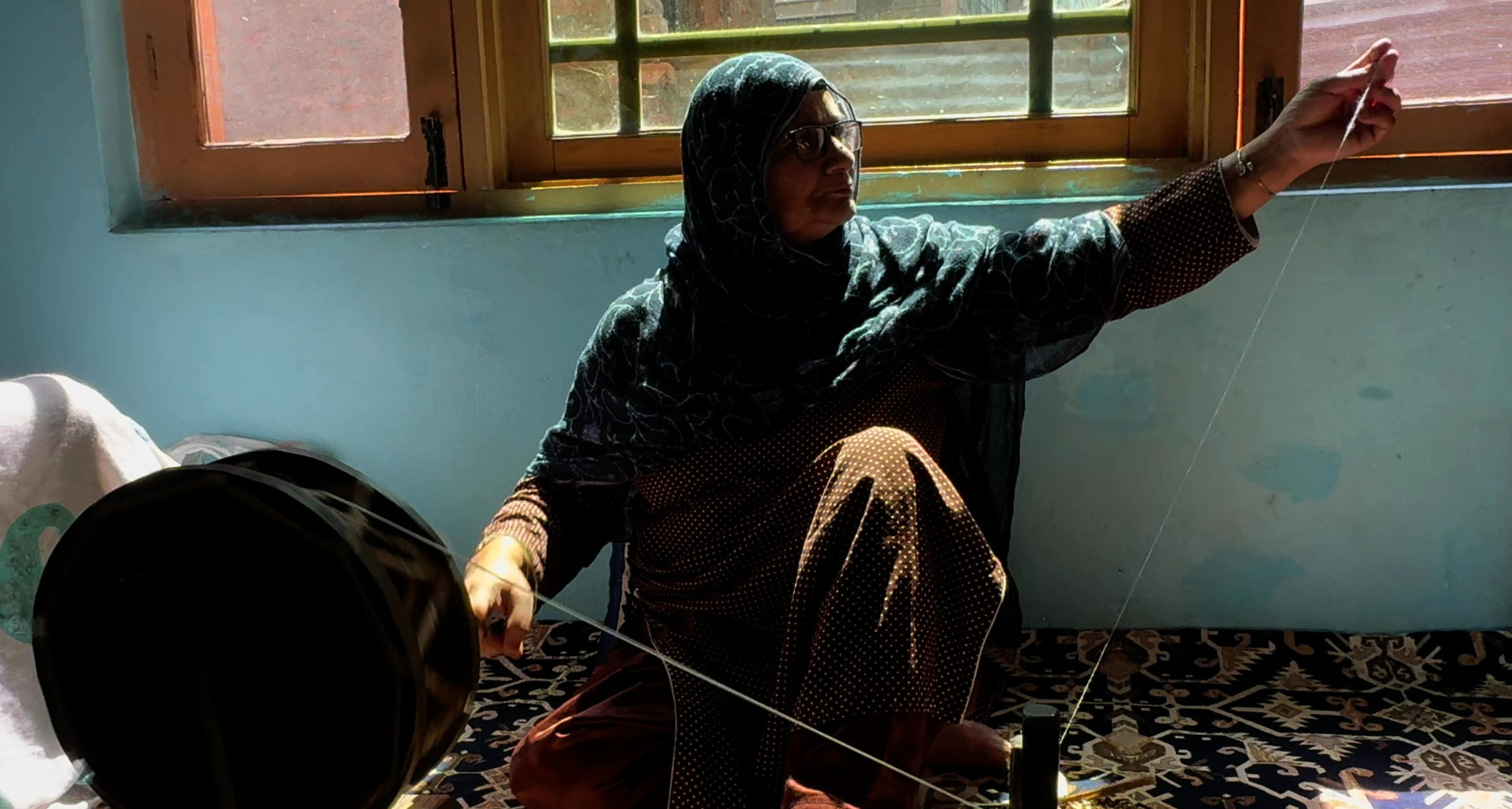
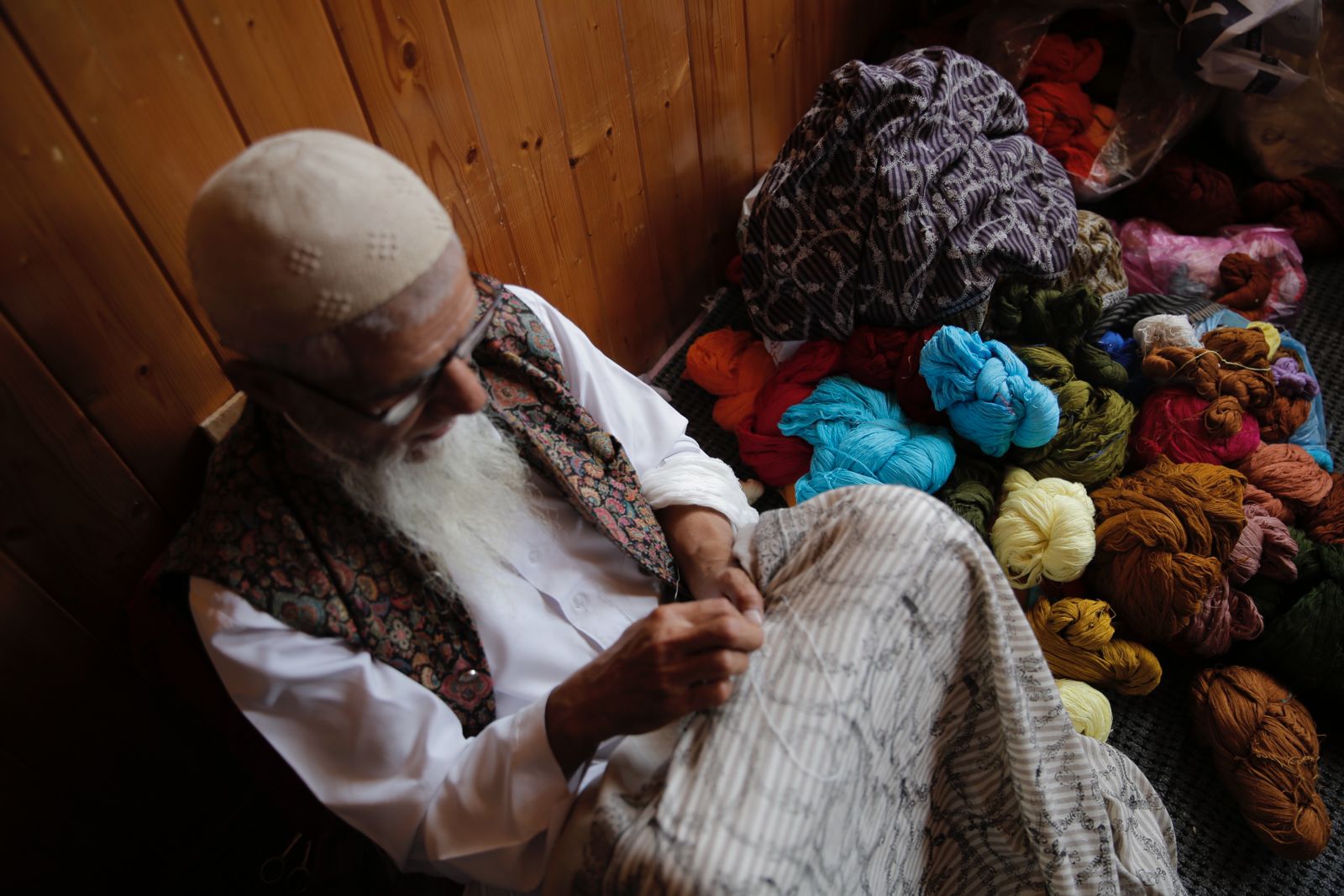
Pashmina evolved as a craft shaped by environment, necessity, and human skill. Its continuity has depended on the careful preservation of material knowledge and practice, passed through generations and sustained as a living tradition rather than a commercial system.